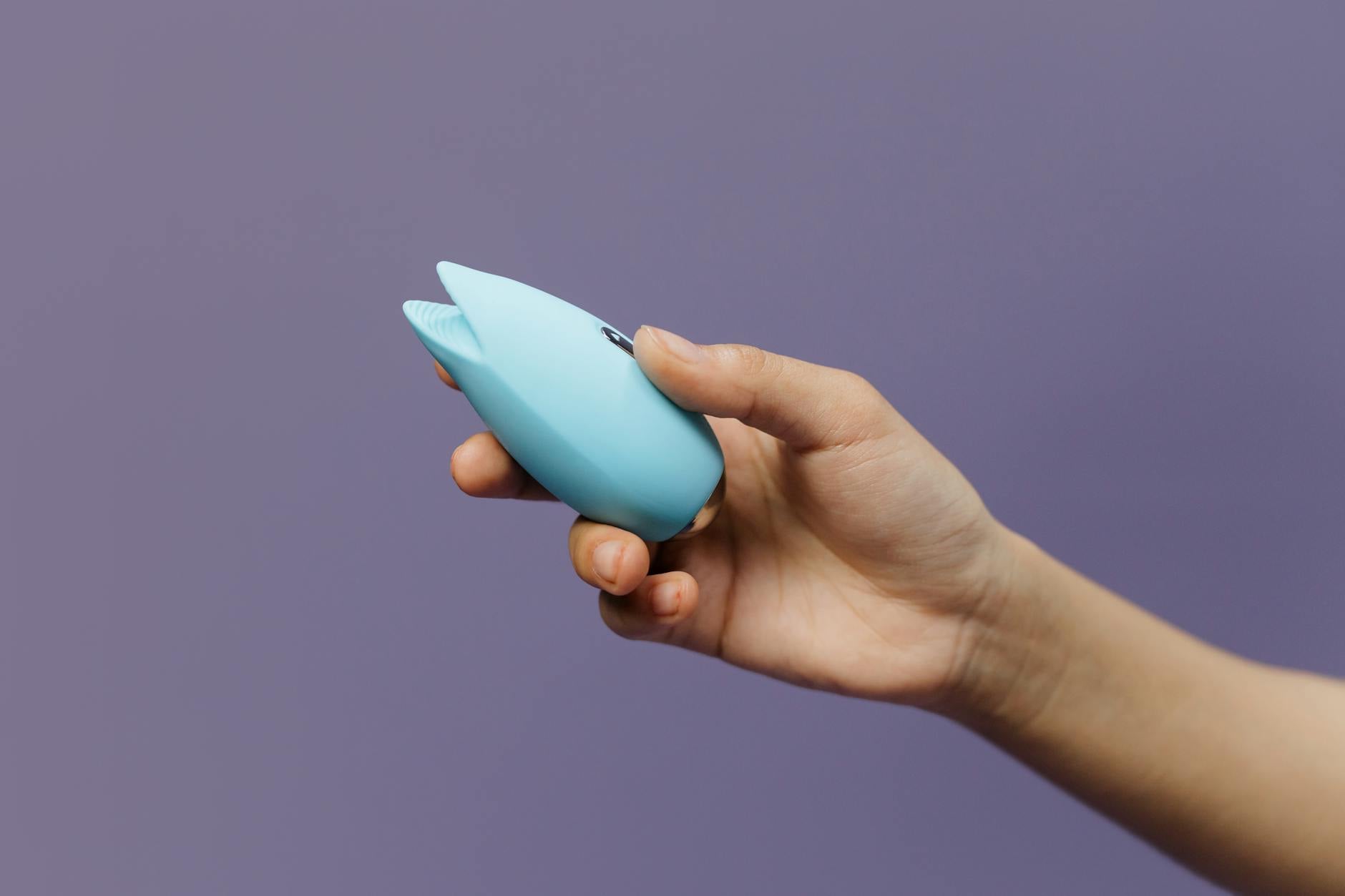
Let's talk about what divorce does to your relationship with pleasure
Divorce doesn't just end a marriage. It dismantles the sexual script you've been living inside, sometimes for decades. You've spent years negotiating desire with another person, calibrating your own needs around their timeline, their preferences, their body. Then suddenly you're alone with yourself again, and that's weirdly terrifying.
Many people I work with describe a hollow feeling when they first get back into dating after divorce. Not sadness exactly. More like standing in a house you own but can't quite remember how to live in. Your body feels like someone else's territory still.
Why pleasure often goes missing during and after divorce
Three things happen at once, and they all suppress arousal.
First, there's the cortisol surge. Divorce is a sustained stress event. Your nervous system stays in threat mode for months or years. When you're flooded with stress hormones, your body shuts down nonessential functions, and sexuality is classified as nonessential. You can't think about pleasure when part of your brain is still managing survival.
Second, there's the identity gap. During marriage, you had a sexual identity within that relationship. You were someone's wife, someone's partner in the bedroom. After divorce, that gets erased. Rebuilding a sexual self requires starting from zero, and that blank slate can feel paralyzing instead of liberating.
Third, there's the trust question. Most divorce involves some breach of intimacy. Even amicable divorces crack something. Your body learns to protect itself. Arousal requires vulnerability, and vulnerability feels dangerous after your body's been through that kind of rupture.
Why lemon vibrators specifically help with reconnection
The suction technology in lemon clitoral vibrators offers something traditional vibrators don't. It stimulates without requiring the vulnerability of penetration. You get sensation and pleasure without the emotional weight of letting someone else in. That matters hugely in early rebuilding.
Lemon vibrators also work fast. When your nervous system is still primed for threat, slow buildup feels endless. Suction technology gets you to arousal and orgasm in 5 to 15 minutes instead of 30. That efficiency means you can experience pleasure before your anxiety dial spins back up.
Most importantly, lemon vibrators put you in control. You choose the pattern. You control the intensity. You can stop instantly if something feels wrong. After years of negotiating sex with someone else, autonomy is its own form of healing.
The reconnection phase: why solo pleasure comes first
There's a clinical reason why therapists recommend that you spend time rediscovering your own arousal before jumping into dating or new partnerships. It's not about being "ready". It's about rebuilding the neural pathways between your body and your brain.
When you used a vibrator alone, you're not performing for anyone. There's no audience. No one to disappoint. No one to protect yourself from. That removes about 80 percent of the psychological friction that typically blocks arousal after divorce.
Solo pleasure also recalibrates what feels good to you now. Your body changes. Your preferences change. What worked at 35 might not work at 45. Lemon vibrators let you experiment without the pressure of someone else being affected by your uncertainty. You get to be selfish about sensation. You deserve that.
How to use lemon vibrators during the transition back to partnership
If you do start dating while you're rebuilding, here's where lemon vibrators become a bridge instead of just a solo tool.
They help you communicate what you need. When you know what your body responds to because you've spent time alone with a lemon vibrator, you can actually tell a partner what works. That specificity is hot and also functional. It shortens the guessing game and builds trust faster.
They also take pressure off. If your partner knows you have a reliable way to get to orgasm, the weight of "making this happen" lifts. Sex becomes less like a performance evaluation and more like play. That shift is massive for people recovering from divorce.
And practically, they work alongside partnered sex. You can use a lemon vibrator during sex with a partner. Many people find that clitoral stimulation during penetration or other partnered activity is exactly what their body needs to get there. Using a vibrator doesn't mean you're unsatisfied with your partner. It means you know yourself.
The emotional permission piece (this might be the most important part)
Using a lemon vibrator is also a permission slip you give yourself. It says: my pleasure matters. My body deserves attention. I'm worth the investment of my own time and energy.
Divorce teaches you that you weren't enough for someone. Even amicable divorces carry that subtext. Solo pleasure work rewires that narrative. Every orgasm you have alone is a small act of self-evidence that you are desirable, that your body works, that you can satisfy yourself. Over time, that accumulates into a different kind of confidence.
When you eventually date again, you show up as someone who doesn't need your partner to complete you sexually. You're not desperate for them to fix what's broken. You're choosing them because you want to, not because you need to. That's the person people actually want to be with.
Common worries (and why they don't hold up)
"Won't this make it harder to enjoy sex with a partner?" No. The opposite, usually. Knowing your body makes partnered sex better, not worse. You're less in your head. You can focus on connection instead of worrying whether you'll get there.
"Is it weird to use a vibrator when I'm dating someone new?" Only if you hide it. Many people find honesty about solo pleasure builds intimacy faster. It signals that you're comfortable with sexuality and know what you need. That's attractive.
"Will my ex's voice pop into my head while I'm using it?" Maybe at first. That's normal. Keep going anyway. Your brain will eventually decoupling arousal from the old relationship and anchor it to your own body instead. That takes weeks or months sometimes, but it works.
When to add partnership back into the equation
There's no timeline. Some people spend three months reconnecting solo before they're interested in dating. Others are ready after a few weeks. The signal is usually when you can think about sex with desire instead of dread. When the idea of your own pleasure feels good instead of hollow.
You don't need to be "healed" to date. Healing isn't a prerequisite. But spending time alone with a lemon vibrator does something specific. It reminds your body that pleasure is possible. That you're not broken. That your nervous system can still do this. That foundation changes everything about how you show up with someone else.
The actual equipment piece
If you're new to lemon vibrators, start with something straightforward. The patterns in most quality lemon clitoral vibrators are designed to feel good without overwhelming. Play with intensity levels. Find the pattern that makes your body respond. There's no "right" one. Your body will tell you.
Water-based lube is your friend, even though you're solo. It changes the sensation and makes everything feel richer. It also signals to your nervous system that you deserve this care.
What comes after
Honestly, what often surprises people is that solo pleasure using a lemon vibrator doesn't stay isolated. It bleeds into other parts of your life. You stand differently. You're less apologetic about taking up space. You stop waiting for permission to want things. That confidence is what rebuilds after divorce.
The lemon vibrator is the tool. But what you're actually rebuilding is your relationship with your own body as a source of pleasure and power, not just a source of disappointment or shame. That's the real reconnection. And that's what makes everything else possible.